 01
01
Concierge Services
International luxury concierge firms procuring private India travel for HNW and UHNW members.


When your client lands in India, your reputation should already be protected.
For concierge services, family offices, talent management firms, and lifestyle organisations procuring private India travel for their principals, members, and executives.
Your client does not need to know who we are. They only need to feel that India is already handled.
You manage travel on behalf of someone else: a principal family, talent roster, concierge member, private banking client or executive office. You purchase travel, but you do not call yourself a travel agent.
When your principal travels to India, the local partner becomes an extension of your organisation’s reputation. We exist for organisations that take that calculation seriously.
Quiet confidence, protected privacy, controlled logistics and a sense that every detail has already been thought through before arrival.
A glimpse of the confidence your client should feel before they ask for a single detail.
A private carousel of the organisations we quietly support across India.
01
International luxury concierge firms procuring private India travel for HNW and UHNW members.
 02
02
Single family and multi family offices purchasing travel for the principal family, executives and household.
 03
03
Talent agencies, sports management firms and celebrity offices procuring discreet India travel for artists, athletes and public figures.
 04
04
Chiefs of staff and personal teams managing private travel for senior principals.
 05
05
Private banking lifestyle services purchasing experiences for clients.
 06
06
Bespoke lifestyle management firms requiring an India ground partner for client engagements.
Have a principal, member, artist, executive or private client travelling to India?
Discuss a Private India Brief 01 Private experiences, accommodation, transfers, and bespoke programming, operated invisibly behind your organisation’s brand.
 02
02 Mercedes V-Class fleet, vetted chauffeurs, private terminal coordination, 24/7 named contact across India.
 03
03 Private yacht evenings on Mumbai harbour, Elephanta Caves by speedboat, heritage palace hospitality, after-hours private cultural access.
 04
04 Bespoke NDA frameworks, plain-clothes ground representation, ultra-discreet handling protocols available for sensitive principals.
Need India handled quietly behind your organisation?
Discuss a Confidential BriefBecause in India, the wrong ground partner is not a travel issue. It is a reputation issue.
Five protective layers that keep your principal relationship secure.
We never communicate with your principal directly without your explicit instruction. No marketing, no remarketing, no follow-up. Their relationship is yours, protected as a structural commitment.
One transparent rate per engagement. No commission negotiations. Master Service Agreement frameworks available. The clean commercial relationship procurement teams require.
Inquiry acknowledged within four business hours. Tailored proposal within forty-eight hours. Operational questions answered same business day, across time zones.
Bespoke confidentiality frameworks available for every engagement. Signed NDAs standard for sensitive principals. Data purged within ninety days.
A senior partnership manager owns your relationship across every engagement. Direct mobile and WhatsApp access. The relationship architecture your business culture is built around.
From one confidential brief to full India execution, every step is controlled, documented, and owned by one accountable partner.
Principal profile, dates, requirements. Confidential intake. WhatsApp, email, or secure form.
Bespoke programme + transparent rate within 48 business hours. Discreet, structured proposal.
One named contact. One operational standard. Your principal experiences your organisation's brand. We deliver beneath it.
For travel concierge services, family offices, talent management firms, executive personal staff, lifestyle desks, private aviation brokers, yacht charter companies, and private bank lifestyle teams procuring discreet India travel for principals, members, artists, and executives.
Principal-first handling
Quiet coordination
Trusted India movement
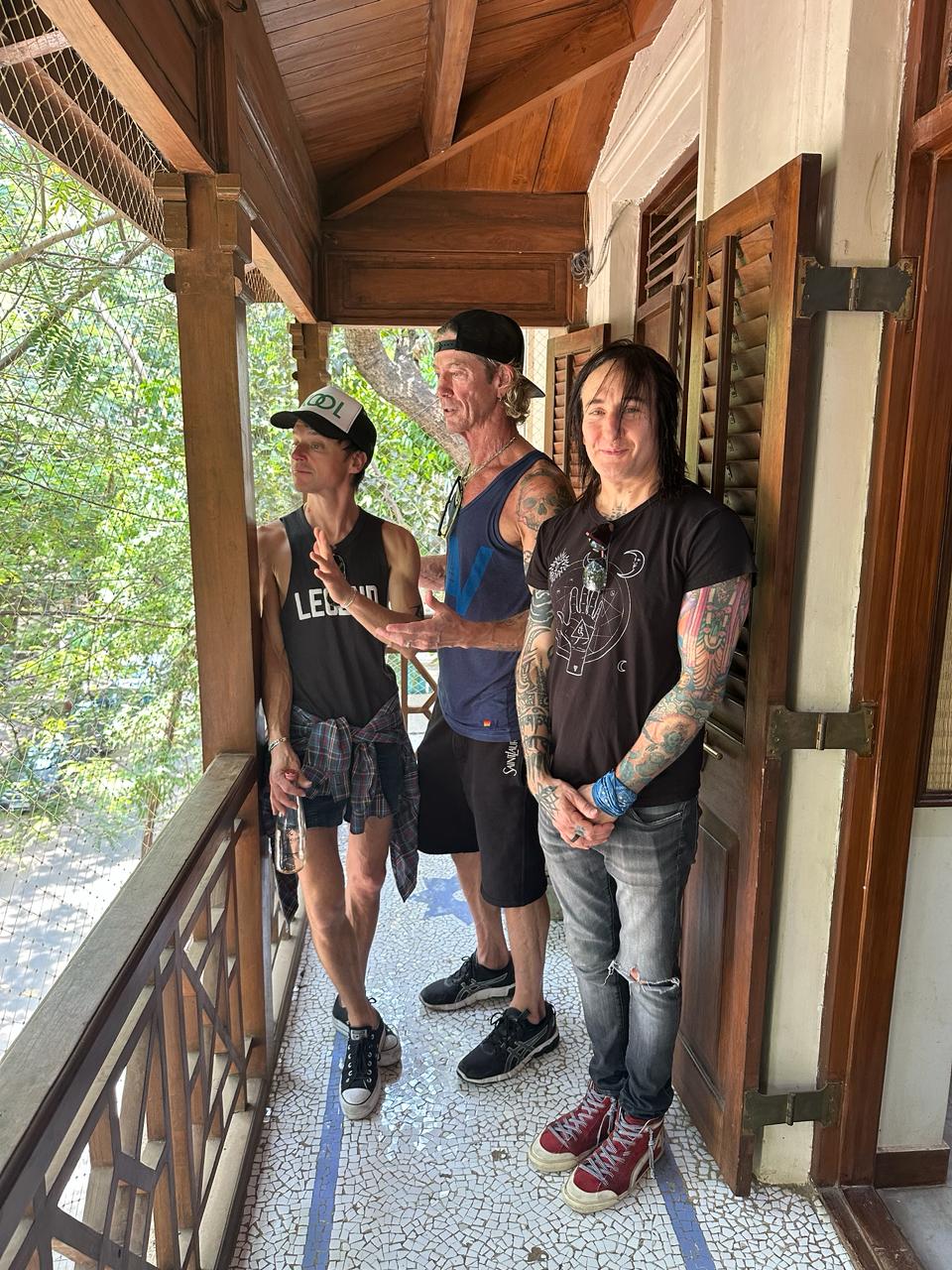
Built for organisations that require discretion, timing, security awareness, and calm on-ground execution.
Concierge-ready execution for private India movement.
Discreet handling for principals, artists, executives, and private members.
On-ground confidence for lifestyle desks and private travel procurement teams.
The right India partner should make every answer feel clear before the first brief moves.
Scroll or click to view the questions most procurement-led organisations ask before trusting India execution to us.
We are an execution layer, not a sales channel. A travel agency or DMC sells travel and competes for your principal's future business. We deliver India execution invisibly behind your organisation, and never communicate with your principal without your instruction.
Confidentiality is foundational. Bespoke NDA frameworks are available for every engagement. Sensitive principals receive plain-clothes ground representation and restricted communication protocols on request.
Yes. We operate documented ultra-discreet handling protocols, vehicle plates obscured where requested, alternative routing, single-point-of-contact communication, full confidentiality frameworks. Each engagement is structured to the sensitivity of the principal.
One transparent net rate per engagement. You set what your principal pays. No commission negotiations. Master Service Agreement frameworks available for ongoing procurement relationships.
Pan-India. Primary operations across Mumbai, Delhi NCR, Bangalore, Chennai, Rajasthan (Udaipur, Jaipur, Jodhpur), Kerala, Goa. Multi-city coordination under one accountable contact.
Submit the inquiry form below or email partnerships@passportlifestyles.com directly. Acknowledgement within four business hours. Senior partnership team in touch within one business day.
Tell us about your organisation and how you procure travel for your principals. Your dedicated partnership manager will be in touch within one business day discreetly, professionally, and with the information your evaluation requires.
PASSPORT LIFESTYLES
Access curated cruise liner itineraries structured for travel trade professionals, destination partners and premium cruise travel programmes.